 Start here
Checking a supplier8 min read
Choosing an Australian supplier
The 16 checks behind every Vialwise score, from lab reports and ABNs to Australian dispatch and policies: what each one tells you, and where to find it.
Buyer guides
Plain-English guides to the checks behind every Vialwise score: reading a lab report, confirming who runs a website, and looking after lyophilised material once it arrives. Each one links to the tool or page that lets you do the check yourself.
Start hereChecking a supplier8 min read
The 16 checks behind every Vialwise score, from lab reports and ABNs to Australian dispatch and policies: what each one tells you, and where to find it.
Lab reports first, because they are the evidence the rest of the checklist builds on.
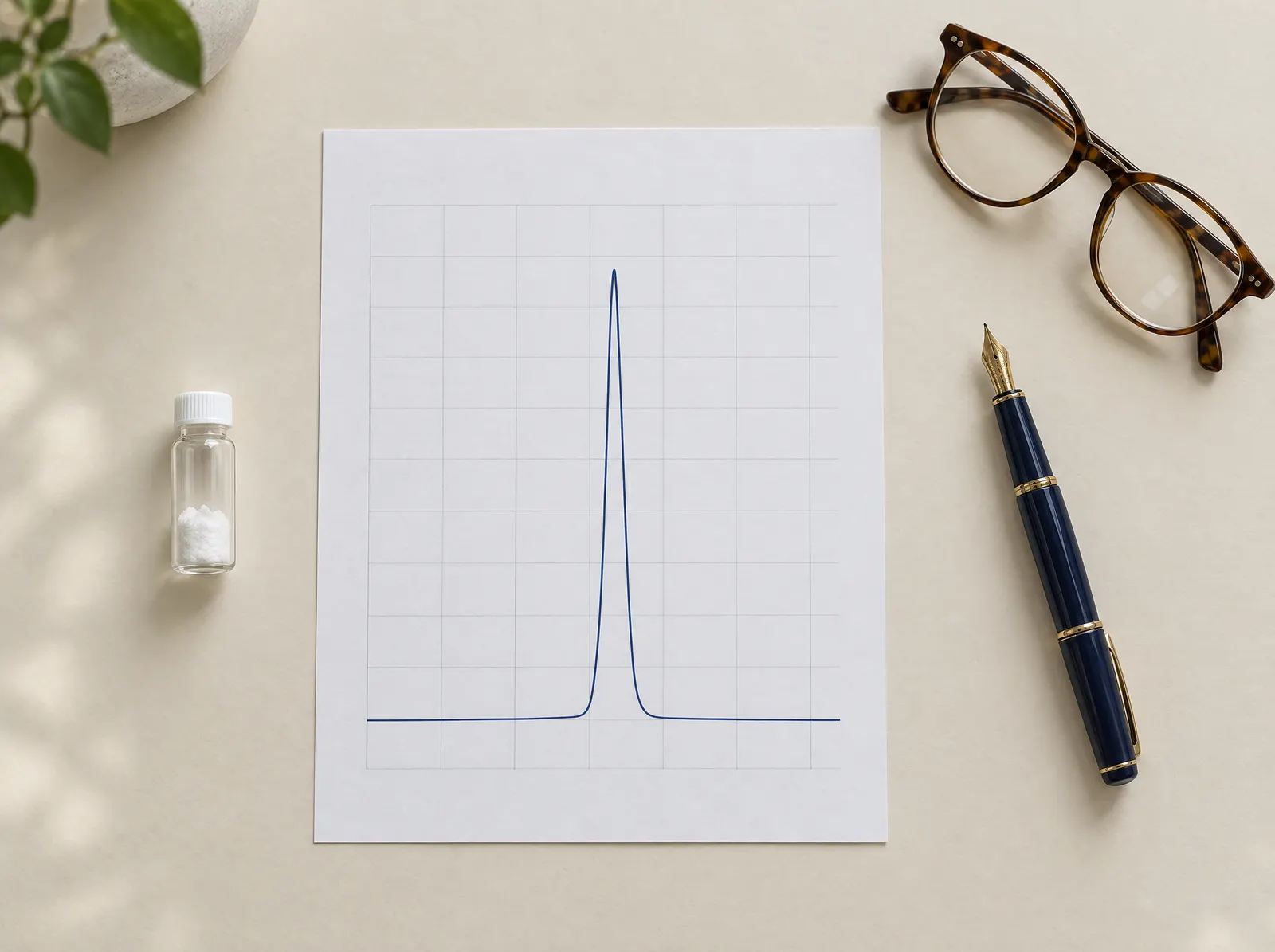
Reading lab reports6 min read
Open the report on the lab’s own website and match it line by line. Five minutes, no account needed.
Reading lab reports7 min read
Why a 99% purity figure can sit beside a vial that holds less peptide mass than its label.

Reading lab reports6 min read
Chromatograms, retention time and mass results, in plain terms, plus what neither test can see.

Lab practice6 min read
Temperature, desiccation, light, aliquoting and record-keeping for lyophilised material.

Checking a supplier7 min read
What ABN Lookup shows, what each field tells you and what to ask when the details don’t match.
Put the guides to work
Free, in your browser, with no sign-up. The same pages the guides link to.
The Vialwise editorial team. Each guide describes a check you can run on any supplier’s website yourself, and links to the tool or page that lets you do it. Point weights are read from the scoring code itself, so a guide can’t quote a weight the scores don’t use.
Vialwise is published by APL Research Pty Ltd, which also runs Au Peptide Labs. Every supplier, ours included, is scored on the same published checklist. How we handle this
Research use only. Everything on Vialwise concerns research-grade material sold for laboratory and analytical use only. It is not a registered medicine, is not supplied for human or veterinary use, and nothing here is medical advice.